
















1. Overview of Co Le Pagoda
1.1. Where is Co Le Pagoda located?
Co Le Pagoda is located in Co Le Commune, Ninh Binh Province, right next to National Highway 21A. The pagoda has a long history and is situated in the Red River Delta, making it a notable destination among the province's cultural and historical heritage sites. Thanks to its convenient location, visitors can easily combine a trip to Co Le Pagoda with visits to other historical sites and scenic attractions when exploring Ninh Binh.
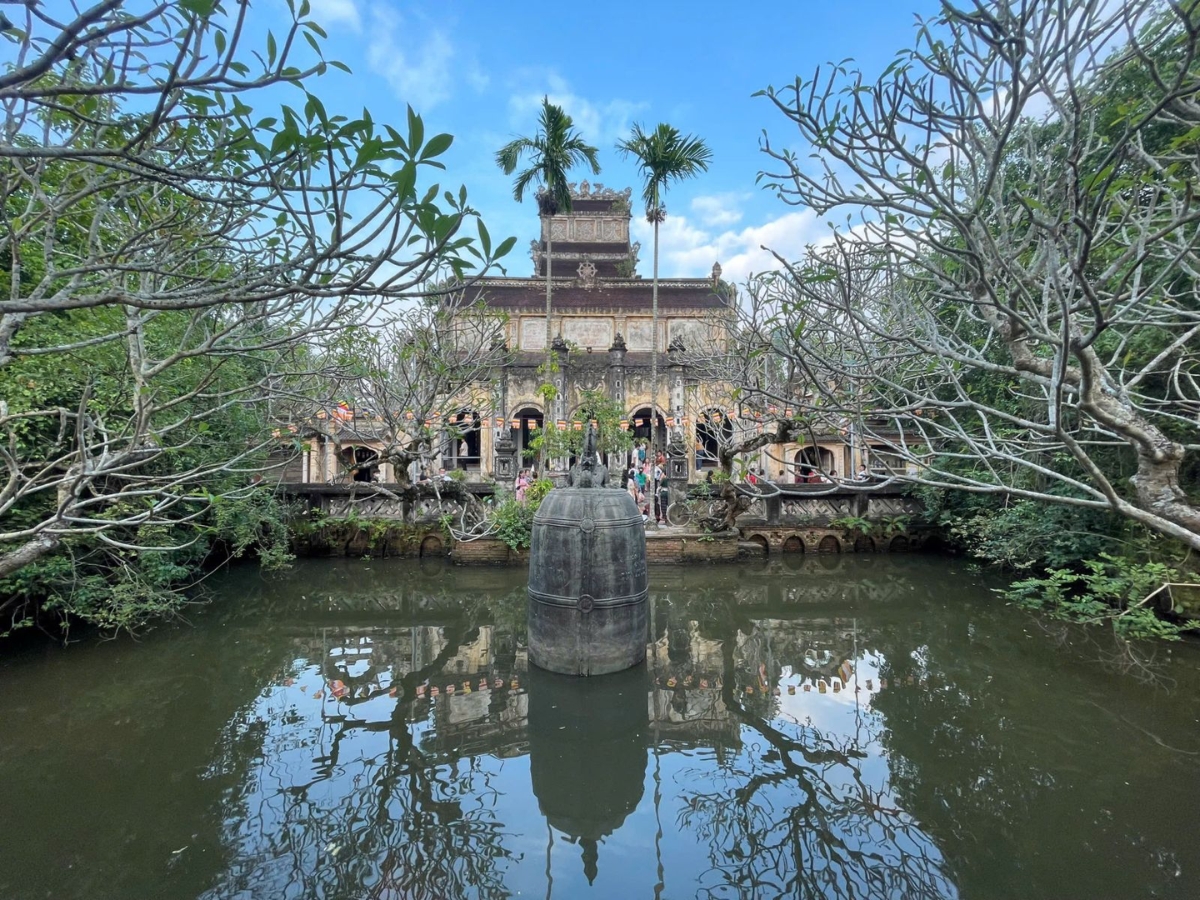
Co Le Pagoda is located in Co Le Commune, Ninh Binh Province. (Source: Collected)
1.2. Why is Co Le Pagoda a notable destination in Ninh Binh?
Co Le Pagoda stands out not only for its history spanning more than a thousand years, dating back to the reign of Emperor Ly Than Tong, but also for its unique architecture that combines traditional Vietnamese elements with Western Gothic influences. This creates an appearance that is both ancient and distinctive compared with other pagodas.
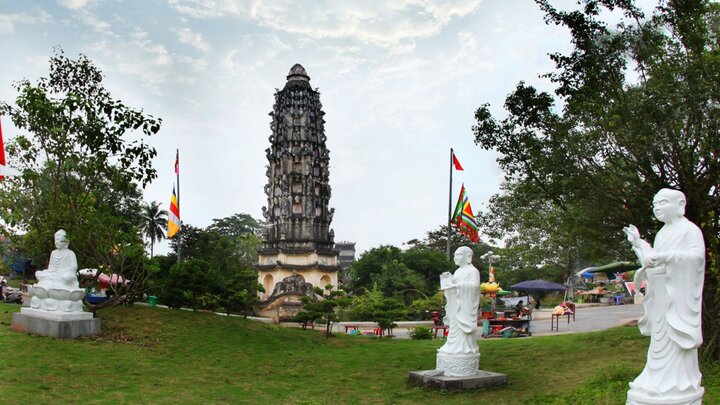
In front of the pagoda stands the 32-meter-high Cuu Pham Lien Hoa Tower. Together with its system of bridges, ponds, and diverse architectural structures, the site has become one of the region's appealing cultural and spiritual destinations for both domestic and international visitors.
2. History of Co Le Pagoda
According to information displayed at the heritage site, Co Le Pagoda was originally built during the reign of Emperor Ly Than Tong by National Preceptor Nguyen Minh Khong as a place of Buddhist worship. The original pagoda was constructed mainly of wood in the traditional architectural style of Vietnamese Buddhism, reflecting the historical and religious beliefs of the period. However, after centuries of historical upheavals and the effects of time, the ancient structure gradually deteriorated and fell into ruins, leaving only traces preserved in historical records and local memory.
In 1902, Co Le Pagoda entered a new stage of development when Monk Pham Quang Tuyen became its abbot and commissioned the reconstruction of the entire pagoda in a distinctive Nhat Thoc Lau Dai architectural style. The new structure harmoniously combined traditional architecture with Western Gothic elements, creating an appearance that was markedly different from many other pagodas in the region.
The pagoda was subsequently renovated several times using traditional materials such as bricks, lime mortar, sugarcane molasses, and traditional dó paper. These materials helped enhance the structure's durability while preserving its distinctive architectural character to this day.
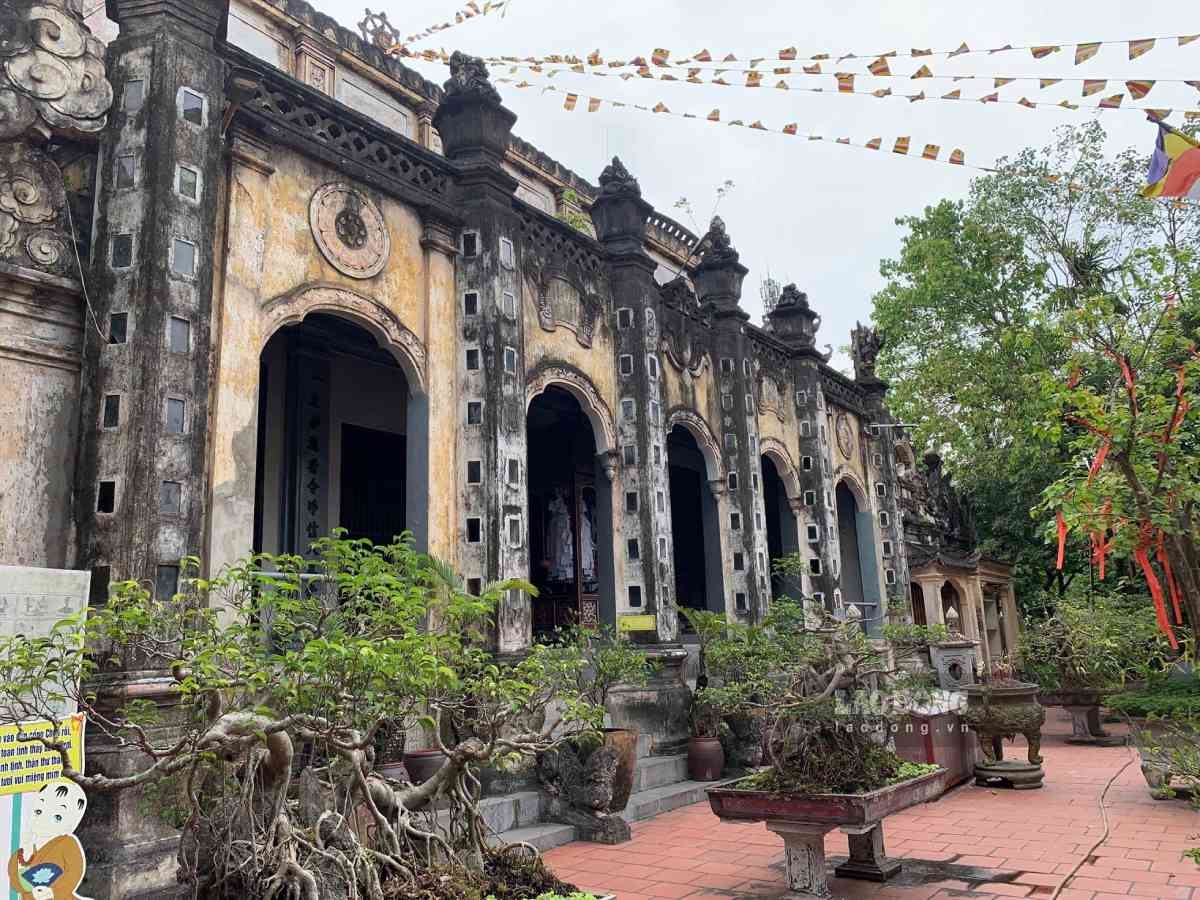
Today's Co Le Pagoda features a harmonious combination of traditional architecture and Western Gothic elements. (Source: Collected)
3. The Unique Architecture of Co Le Pagoda in Nam Dinh
Co Le Pagoda is particularly impressive for its distinctive architectural style, which harmoniously blends traditional Vietnamese Buddhist architecture with Western Gothic influences. This gives the pagoda a unique appearance compared with other temples.
Upon entering the pagoda grounds, visitors can easily see that the overall complex is arranged along a central axis, with structures such as the three-entrance gate, front hall, main sanctuary, and towers creating the orderly and solemn character typical of Buddhist architecture.
One of the most prominent features of Co Le Pagoda is Nhat Thoc Lau Dai, the main sanctuary reconstructed in 1902 under the leadership of Monk Pham Quang Tuyen. The structure displays strong Gothic influences, with pointed arches, tall columns, and decorative details that are both elegant and defined.
Its curved lines, intricate ornamental patterns, and solid structural design give the building an appearance that is both historic and somewhat modern, setting it apart from temples built entirely in traditional East Asian styles.
Beyond the main sanctuary, Co Le Pagoda also attracts visitors with its surrounding architectural and landscape features, including the 32-meter-high Cuu Pham Lien Hoa Tower, ponds, and lush greenery. These elements not only enrich the scenery but also create a peaceful and pleasant atmosphere, allowing visitors to pay their respects in a solemn setting while experiencing the harmonious combination of distinctive architecture and the tranquil natural landscape of the Northern Vietnamese countryside.
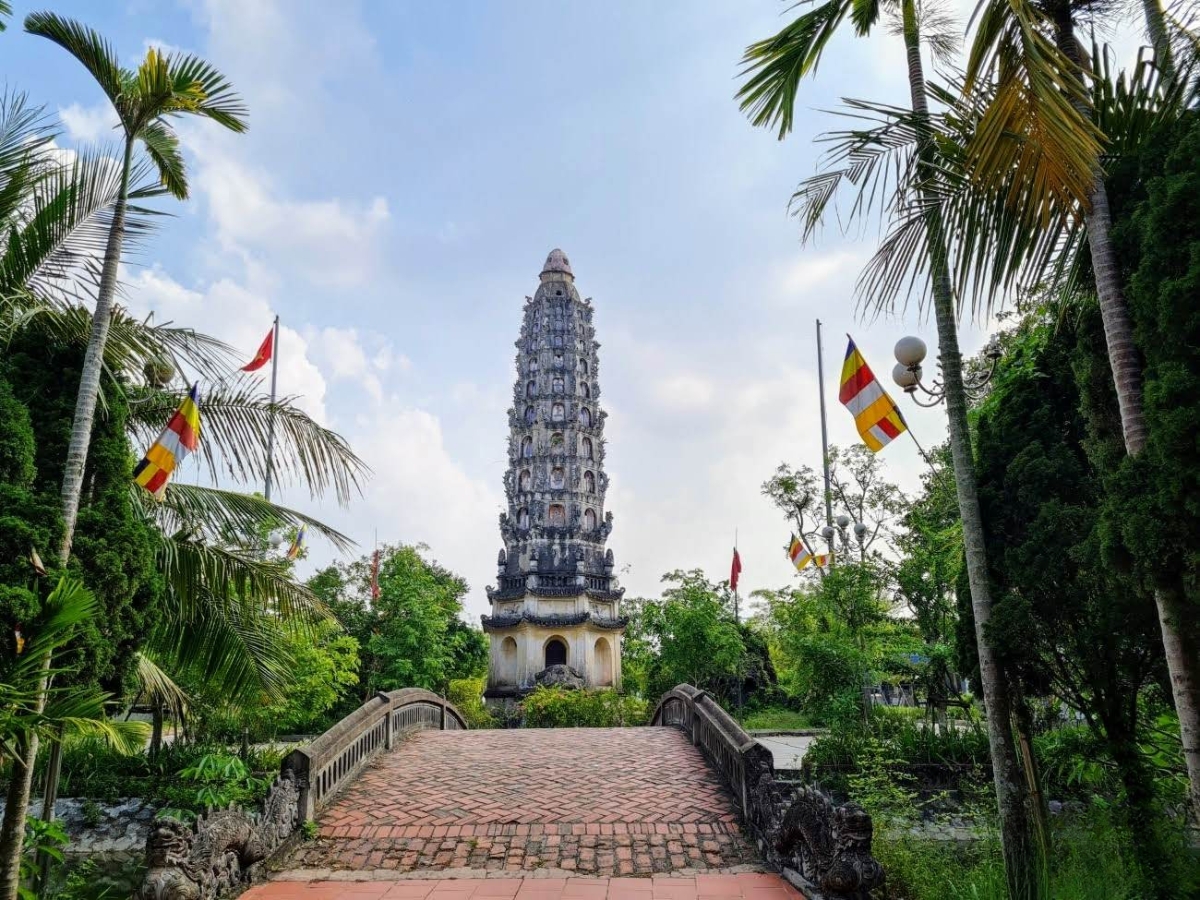
The Cuu Pham Lien Hoa Tower is an iconic symbol of Co Le Pagoda, attracting visitors who come to explore and take photographs. (Source: Collected)
4. Visiting and Worshipping at Co Le Pagoda
4.1. Sightseeing at Co Le Pagoda
When exploring Co Le Pagoda, visitors can experience its spacious and airy surroundings, featuring a large courtyard, ponds, and green spaces. The harmonious arrangement of architecture and landscape creates a relaxing and pleasant atmosphere, making the site particularly suitable for leisurely visits.
Walking through the pagoda grounds and listening to the sound of bells echoing across the peaceful surroundings can be a refreshing experience, allowing visitors to temporarily leave behind the noise and pressures of everyday life.
4.2. Worshipping and Offering Incense at the Pagoda
Worshipping and offering incense at Co Le Pagoda provide visitors with a solemn and tranquil spiritual experience, making it an appealing destination for those seeking inner peace.
Visitors often come to pray for peace, good health, and smoothness in life, while expressing their reverence for the Buddha and National Preceptor Nguyen Minh Khong. The spiritual experience at the pagoda is simple and unhurried, giving visitors a quiet moment for reflection and an opportunity to focus on positive values.
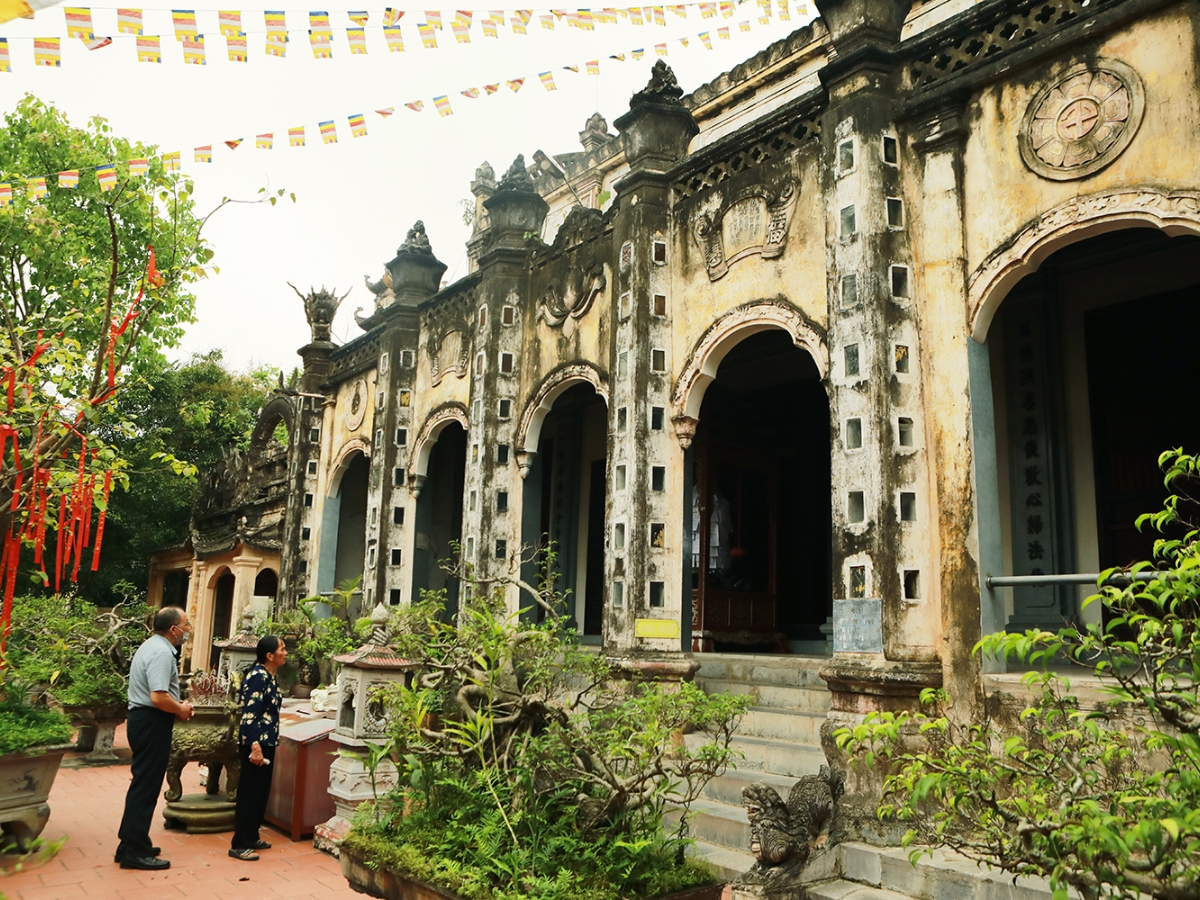
Visitors come to explore and pay their respects at Co Le Pagoda. (Source: Collected)
4.3. Photography and Exploring the Pagoda's Architecture
In addition to sightseeing and worshipping, Co Le Pagoda is an attractive destination for photography enthusiasts and those interested in architecture. Notable photo spots include the Gothic-inspired main sanctuary, Cuu Pham Lien Hoa Tower, and the pond area in front of the pagoda, all of which offer impressive views.
The combination of distinctive architecture and open spaces makes it easy for visitors to capture memorable moments during their exploration of this historic site.
5. Tips and Things to Note When Visiting Co Le Pagoda
To make a visit and worship experience at Co Le Pagoda smooth and meaningful, visitors should prepare in advance and keep a few important tips in mind. Choosing appropriate clothing, behaving respectfully, and following general regulations not only help ensure a more enjoyable experience but also contribute to preserving the pagoda's sacred atmosphere and long-standing cultural heritage.
5.1. Appropriate Clothing and Etiquette When Visiting the Pagoda
When visiting Co Le Pagoda, visitors should choose modest and respectful clothing that is appropriate for the pagoda's spiritual setting. Neat and understated outfits can also make visitors feel more comfortable while walking around and taking part in worship activities or sightseeing.
Visitors should also maintain a quiet atmosphere, speak softly, and behave appropriately. These practices demonstrate respect for the Buddhist sanctuary while helping preserve the solemn and peaceful atmosphere throughout the heritage site.
5.2. What to Do and Avoid When Worshipping at Co Le Pagoda
When worshipping at Co Le Pagoda, the most important thing is to maintain a sincere and compassionate mindset rather than focusing heavily on material wishes. Visitors are encouraged to pray for peace and good health.
Visitors should avoid actions that could damage the heritage site, such as touching ancient artifacts, climbing on structures, or disturbing the architectural landscape. Responsible sightseeing helps preserve the pagoda's historical, cultural, and spiritual values while providing everyone with a more meaningful experience.
5.3. Combining Your Visit with Other Famous Destinations in Ninh Binh
After visiting Co Le Pagoda, travelers can explore several other famous destinations in Ninh Binh to make their journey more diverse and complete. Including these attractions in the same itinerary allows visitors to experience the region's unique blend of history, nature, and modern life.
Trang An is a famous scenic complex characterized by limestone mountains and interconnected waterways. Visitors can take a boat ride through natural caves while enjoying the peaceful scenery that is characteristic of Ninh Binh.
Tam Coc – Bich Dong features picturesque landscapes, with the Ngo Dong River winding through rice fields and limestone mountains. It is particularly ideal for visitors who enjoy photography and exploring the traditional countryside of Northern Vietnam.
Hoa Lu Ancient Capital is a destination of great historical significance, preserving traces of the Dinh and Early Le dynasties. A visit here offers travelers a deeper understanding of Ninh Binh's role during the early period of Vietnam's state formation.
Bai Dinh Pagoda is renowned for its vast scale and imposing architecture. It is one of Vietnam's major spiritual tourism destinations, attracting large numbers of domestic and international visitors each year.
Time Square offers a more modern atmosphere and is an ideal place for walking, taking photographs, and relaxing. It provides an interesting contrast between exploring historic heritage sites and experiencing contemporary life after visiting Co Le Pagoda.
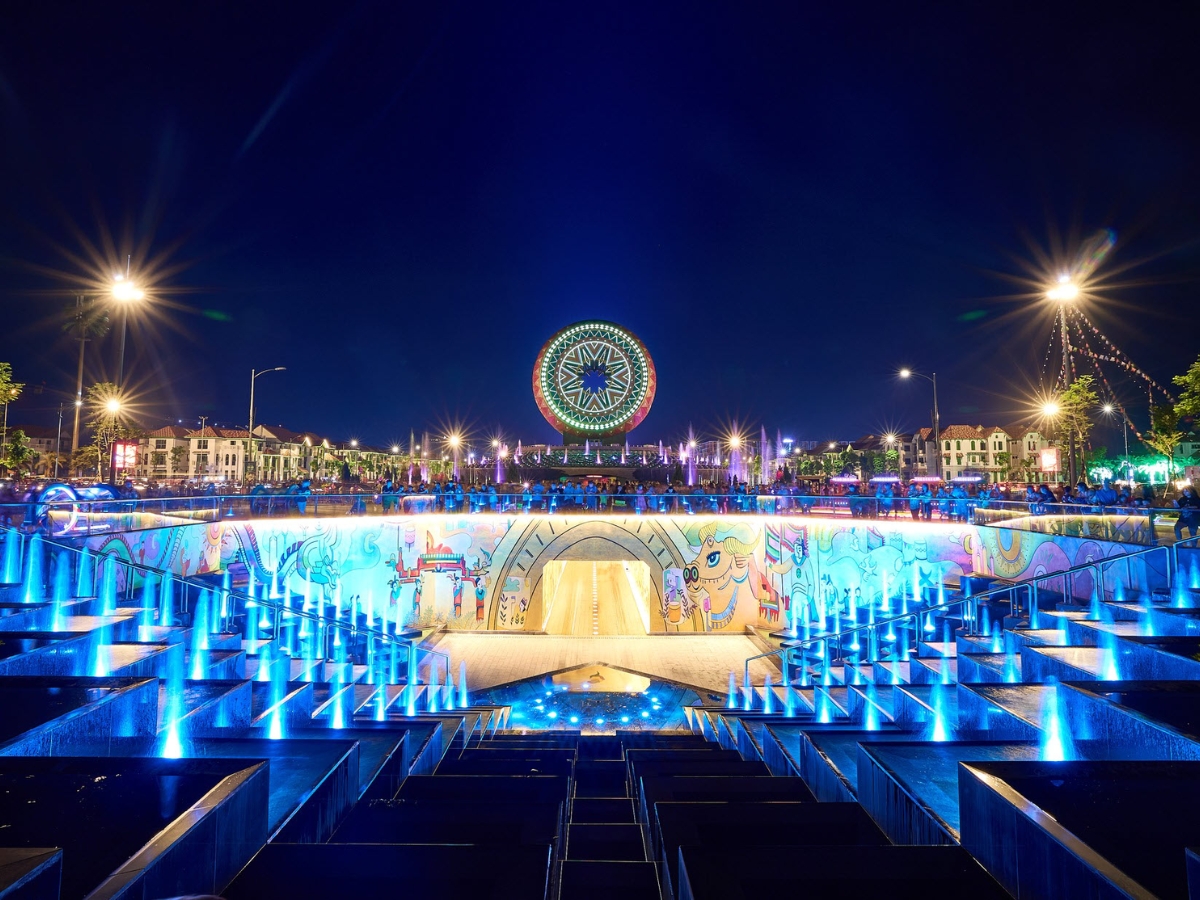
Time Square comes alive with brilliant lights at night. (Source: Collected)
As the journey comes to an end, Co Le Pagoda stands out as a distinctive destination where long-standing historical values, unique architecture, and a tranquil spiritual atmosphere come together.
The pagoda is not only a place for worship and sightseeing but also offers experiences that differ from those found at many other destinations in the region. If you are planning a trip to Ninh Binh and looking for a destination rich in cultural heritage while remaining convenient to explore, be sure to include Co Le Pagoda in your itinerary to fully appreciate the beauty and heritage value of this remarkable site.


