
















1. Why does Ninh Binh tourism attract many visitors?
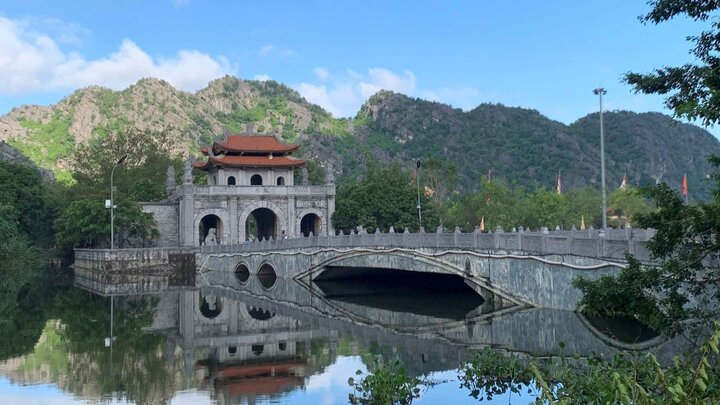
Located about 90 km south of Hanoi center, Ninh Binh is like a vibrant natural painting created from majestic mountains and gentle rivers. The winding limestone mountain ranges, the Ngo Dong river flowing smoothly through lush green fields, along with a rich ecosystem, give this place a beauty that is both magnificent and peaceful. Or the Trang An scenic complex, recognized by UNESCO as a World Cultural and Natural Heritage, is one of the few destinations that converges both historical values and rare natural landscapes.

Ninh Binh's scenery captivates the heart. (Source: Collected)
Attractions such as Tam Coc – Bich Dong, Hang Mua, or Bai Dinh Pagoda each possess a unique beauty, making each visit a different experience.
Ninh Binh's climate is characterized by a tropical monsoon and is divided into 4 distinct seasons. Spring, from January to March, brings cool, fresh air, and is a time for many unique traditional festivals. Summer, from April to June, has warm weather, with vibrant scenery of ripe golden rice and blooming pink lotus flowers. Autumn, lasting from August to October, has mild weather and clear skies, suitable for outdoor trips. In winter, from November to December, the weather is cool, and the atmosphere is peaceful, perfect for those who love tranquility.
Choosing the right time makes a tourist's journey more complete, as each season brings a new look to the natural scenery. Favorable weather not only aids in photography but also creates conditions for fully engaging in exploration activities. Additionally, choosing a less rainy period will ensure a safe and smooth trip. Especially, each season is associated with characteristic festivals and cultural events, offering unforgettable experiences that can only be fully appreciated when visiting at the right time.
2. When is the best time to visit Ninh Binh?
"When is the best time to visit Ninh Binh?" is perhaps the question that most tourists ponder when planning to explore the "land of heritage." According to the experience of travel enthusiasts, the ideal times to visit Ninh Binh are from January to March and from August to October – when nature and weather are most favorable.
In early spring (January–March), Ninh Binh is adorned with the fresh atmosphere of spring, with cool weather, abundant greenery, and lively early-year festivals. This is also an ideal time for tourists to sightsee and immerse themselves in the local traditional culture.
Meanwhile, May–June is the "golden season" in Tam Coc – Bich Dong. The shimmering ripe rice fields stretching along the Ngo Dong River create a poetic landscape, like a miniature painting of the Vietnamese countryside. At the same time, lotus ponds bloom throughout the waterways, exuding a gentle fragrance and a dreamy pink hue, making this an unmissable spot for photographers and social media enthusiasts.
From August to October, Ninh Binh enters its most beautiful period of the year. The sky is clear, the sun is gentle, and there is little rain, making it extremely convenient to conquer Hang Mua, explore Thung Nham, or enjoy the romantic autumn scenery of Tam Coc – Bich Dong. Gentle golden sunlight spreads across the green mountains and blue waters, making every frame vibrant and full of life.
Ninh Binh is beautiful year-round, but if you want to enjoy both the festival atmosphere and the complete natural beauty, visit in early spring or autumn – two times that will surely captivate anyone with the charm of this ancient land.
3. Suggested attractive tourist destinations by season in Ninh Binh
3.1. January–March: Spring pilgrimage to Bai Dinh Pagoda, Tràng An during festival season
The first months of the year are the ideal time to visit Bai Dinh Pagoda, the largest pagoda with one of the most distinctive Buddhist architectures in Vietnam. The Bai Dinh Pagoda festival takes place from the first to the third lunar month, attracting thousands of Buddhists and visitors from all over to worship and pray for good fortune. The sacred atmosphere combined with the fresh spring colors makes this a destination that is both solemn and full of energy.

The sacred and magnificent Bai Dinh Pagoda in the heart of Ninh Binh. (Source: Collected)
Meanwhile, the Trang An scenic area in spring possesses a mystical, enchanting beauty. Light morning mist covers the water surface, reflecting the majestic limestone mountains, creating a scene like a fairyland. Taking a boat trip down the Ngo Dong river, weaving through Sang Cave, Toi Cave, and Nau Ruou Cave in the cool weather, you will fully experience the peacefulness of the ancient capital Hoa Lu. This is also the perfect time for those who love photography or exploring famous historical sites.
3.2. May–June: Admire the golden rice season in Tam Coc
In late May and early June, Ninh Binh enters the rice harvest season – a time many liken to the "golden season" of Tam Coc. The entire plain is suddenly adorned in a shimmering coat, with fields winding along the river, creating a beautiful painting amidst the overlapping mountains. Simply sitting on a small bamboo boat, drifting through the three natural caves: Ca Cave, Hai Cave, and Ba Cave, you will clearly feel the rhythm of the harvest season and the rich aroma of rice in the peaceful atmosphere.

Tam Coc during the ripe rice season is brilliantly yellow like a vibrant natural painting in the ancient capital. (Source: Collected)
The most suitable time to capture impressive photos is early morning from 7 AM to 9 AM or late afternoon from 3 PM to 5 PM when the light is gentle. If you want a panoramic view of Tam Coc with the golden rice fields stretching between the rocky mountains, try conquering Hang Mua peak. For a smooth trip, it is advisable to prepare a wide-brimmed hat, sunscreen, and drinking water as the weather can be scorching hot at noon.
3.3. August–October: Ninh Binh Autumn: climbing Hang Mua, admiring Thung Nham, captivating Tam Coc – Bich Dong
Autumn is the most ideal time to explore Ninh Binh, with clear skies, gentle sunshine, and pleasant air. This is also the season that travel enthusiasts whisper about: “If you want to see the most beautiful Ninh Binh, go in autumn!”.

The scenery of Mua Cave from the peak of Ngoa Long mountain is brilliant in the early sun. (Source: Collected)
At Mua Cave, you will be challenged with nearly 500 stone steps leading to the peak of the mountain, about 200m high, where the majestic Quan The Am Bo Tat statue stands. From here, the entire panorama of Tam Coc unfolds before your eyes: the Ngo Dong river gently winds around the rolling limestone mountains – a scene that makes everyone want to linger for a long time.

The peaceful scenery of Thung Nham (Nham Valley) reflects mountains and bird forests. (Source: Collected)
Thung Nham in autumn takes on a different hue, peaceful and romantic. It is home to thousands of bird species, notably Hang To Chim (Bird's Nest Cave) – a "paradise" for white storks and egrets. The most beautiful moment is from 5 PM to 6 PM, when flocks of birds fly back to their nests in the golden sunset, creating a scene that is both peaceful and poetic.
Meanwhile, Tam Coc – Bich Dong appears tranquil, with its emerald green water reflecting the limestone mountains, creating shimmering pictures that need no color correction. Ninh Binh in autumn is therefore considered a season of gentle emotions – where visitors not only admire the scenery but also find rare peace amidst the busy pace of life.
4. Tips for choosing the right time and preparing for your Ninh Binh trip
4.1. Suggestions for preparing clothing and items by season.
In spring (January to March), bring a light jacket or thin sweater as the weather is still chilly in the early morning and evening. Non-slip sports shoes will help you move comfortably when exploring historical sites. Especially, prioritize polite and modest clothing when visiting pagodas or participating in traditional festivals. Light rain may occur in early spring, so prepare a light raincoat.
Regardless of the month you visit Ninh Binh, preparing suitable clothing is always necessary. In summer (May to June), choose breathable clothing, a wide-brimmed hat, sunscreen with SPF 50+, sunglasses, and drinking water. Sandals or light shoes will be convenient for moving on boats or wading through wet areas.
In autumn (August to October), you should bring a light jacket to keep warm in the morning and evening. If you plan to climb Mua Cave, choose specialized shoes to ensure safety. In winter (November to December), prepare a thick coat, scarf, beanie, and gloves to keep your body warm throughout the journey.
4.2. Notes on booking rooms/tours during peak season
To have more choices in terms of location, price, and to avoid sold-out situations, you should book your room about 2-3 weeks in advance. When choosing a tour, prioritize reputable travel agencies to ensure a reasonable itinerary, knowledgeable local guides, and professional services.
The most ideal time to visit Ninh Binh is from March to May – when Tam Coc and Trang An are in the golden rice season, or in autumn (September-October) – when the weather is cool and the scenery is pristine, very suitable for short trips.
Additionally, if you want to extend your itinerary, you can combine it with a visit to Sun World Ha Nam – a modern complex for entertainment, recreation, and check-ins, located just over an hour's drive from Ninh Binh. This is an interesting stop to make your trip more complete, offering both natural experiences and a vibrant relaxation space.
And to fully enjoy the peaceful beauty of the ancient capital region, you should avoid long public holidays when the influx of tourists increases service prices and the space becomes overcrowded.
Ninh Binh shines in months with mild weather and vibrant scenery. Plan carefully to have the opportunity to fully experience the natural beauty and cultural values of the beloved ancient capital region!